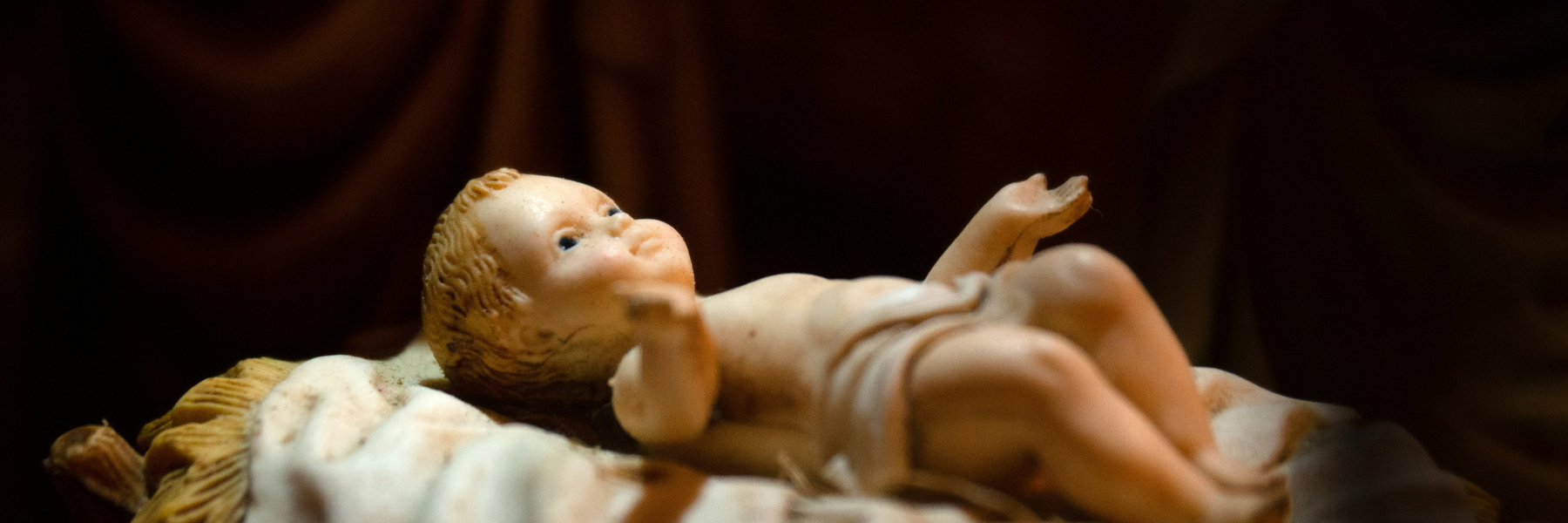

The Incarnation and the Body: What Christmas Teaches Us About the Sacredness of Our Physical Being
Every December, as we kneel before the manger and gaze upon the Infant Christ, we are reminded of a mystery so astounding that even the angels bow in wonder.


Every December, as we kneel before the manger and gaze upon the Infant Christ, we are reminded of a mystery so astounding that even the angels bow in wonder: God became Man.
God did not merely appear as human, He did not just put on a human “mask,” rather He took on a real, living, vulnerable human body. And for those of us trying to live a life of holistic health, Christmas shines a light on something essential: our bodies matter profoundly.
The Body Is Not an Afterthought
From the beginning, Scripture proclaims that our bodies are part of God’s good design. When God formed Adam from the dust of the earth and breathed life into him, He declared not only Adam’s soul but his entire embodied existence “very good.”
Yet Christmas takes this truth even further. In the Incarnation, the eternal Son of God unites Himself forever with our humanity, embracing the limits, needs, and experiences of bodily life.
He grew in Mary’s womb. He was born into the cold and light of a Bethlehem night. He knew hunger, tiredness, touch, warmth, and pain.
God does not shy away from the body. He enters it.
If the Incarnation teaches us anything, it is that the body is not merely a shell but a sacramental reality, through it God reveals Himself to us and redeems us. Jesus healed through human touch, preached with His human voice, and ultimately saved us through the offering of His Body on the Cross.
This truth has everything to do with the way we approach fitness, movement, and wellness. When we stretch, breathe deeply, strengthen weak muscles, or care for our physical needs with intention, we honor the God who took on flesh. Caring for the body is not vanity; it can be an act of stewardship and gratitude.
In a culture that often reduces the body to an ornament or a project, Christmas whispers a far more beautiful truth: your body has dignity because God Himself took one. This speaks into our struggles with body image, fatigue, injury, disability, aging, and the ongoing work of forming healthy habits.
Fitness for Catholics is never just about appearance—it’s about living fully the life God gave us, strengthening the body so that it can serve, love, pray, and participate in God’s mission with joy.
It’s also why Pietra Fitness grounds physical strengthening and stretching in prayer and virtue, reminding us that movement can serve the soul as well as the body.
Living the Incarnation Through Fitness and Wellness
So how might we honor the sacredness of the body this season?
- Move with gratitude—exercise not as punishment, but as praise.
- Rest intentionally, remembering that Christ embraced the vulnerability of sleep.
- Nourish your body as a gift entrusted to you, not a problem to fix.
- Honor the bodies of others through patience, gentleness, and charity.
- Receive the sacraments, where God continues to work through matter, including the matter of your own body.
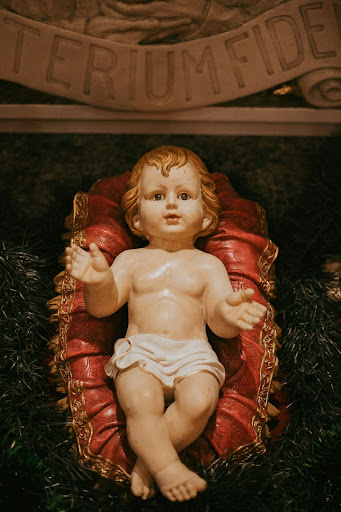
- Contemplate the Christ Child, whose tiny, dependent body reveals that God dwells most easily in humble, cared-for places.
This Christmas, as you celebrate the Word made flesh, remember: God came not simply to redeem your soul but your whole embodied life.
The manger is God’s declaration that your body matters, and caring for it can be a holy act.