
What it Means to be a Practicing Catholic in Full Communion With the Church
We hear phrases like “practicing Catholic” or “Catholic in full communion with the Church” in many places.


We hear phrases like “practicing Catholic” or “Catholic in full communion with the Church” in many places—on sacramental forms, in parish life, or in conversation—and yet many Catholics aren’t entirely sure what those phrases mean.
At its heart, being a practicing Catholic isn’t about checking boxes; it is about living in a real, ongoing relationship with Christ through His Church. It means belonging fully to His Body, receiving the life of grace He offers, and striving each day to walk as His disciple.
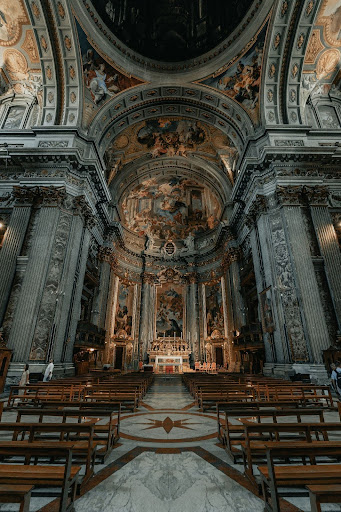
Every Catholic’s life in the Church starts at the batismal font. Through this sacrament, we are incorporated into Christ, made members of His Church, and given the seed of a lifelong journey of faith.
But Baptism is only the beginning. The Church teaches that a Catholic is fully initiated through all three Sacraments of Initiation: Baptism, Confirmation, and the Eucharist. Confirmation strengthens and seals the grace of Baptism, rooting us more deeply as children of God and empowering us with the gifts of the Holy Spirit. The Eucharist, the “source and summit of the Christian life,” nourishes us with Christ Himself and binds us in living communion with the Church. These three sacraments together form the foundation of what it means to live as a Catholic, and they shape the rest of our spiritual journey.
Full communion with the Church also means embracing the core teachings of the Catholic faith. This does not mean you will never struggle with a particular teaching or never ask questions. However, a Catholic in good standing approaches these struggles within the Church, trusting that the faith handed down from the apostles is a trustworthy expression of God’s revelation. Rather than rejecting teachings outright, we seek understanding, clarity, and formation, believing that the Church teaches not to restrict us, but to lead us closer to Christ and to the fullness of life.
One of the most visible signs of being a practicing Catholic is faithful participation in the sacramental life, especially Sunday Mass. The Church teaches that attending Mass on Sundays and holy days of obligation is a foundational commitment for every Catholic, not because God keeps score, but because He knows we need the grace that flows from the Eucharist.
The Catechism expresses this clearly in the Precepts of the Church (CCC 2041–2043), which are meant to be a “minimum” for growing in love of God and neighbor. These precepts include:
- Attending Mass on Sundays and Holy Days
- Confessing your sins at least once a year
- Receiving the Eucharist during the Easter season
- Observing days of fasting and abstinence established by the Church,
- Providing for the material needs of the Church according to one’s abilities.
These are not burdens but rather, simple, concrete ways to ensure that our spiritual lives stay rooted in God and connected to the community of faith.
Living in full communion also means striving, with God’s grace, to live a moral life. None of us do this perfectly, yet a practicing Catholic continually turns toward God, avoiding serious sin, forming the conscience according to the Church’s teachings, and seeking forgiveness when we fall.
Confession is not just an obligation; it is a gift that restores us to grace and helps us walk forward with renewed strength. Similarly, the Eucharist is not only a sign of unity with Christ but also a sign of unity with the Church. Receiving it worthily expresses our desire to remain in communion with the Lord and with one another.
Living in full communion with the Church also requires remaining within the visible unity of the Church—communion with the pope, with one’s local bishop, and with the parish community where one worships and receives the sacraments. This visible unity isn’t simply institutional; it is sacramental. Christ entrusted real authority to His apostles and their successors to teach, sanctify, and shepherd His people. Staying united to them is part of staying united to Christ Himself.
Finally, being a practicing Catholic is lived out in the daily rhythm of life. It shows in prayer, in acts of charity, in our marriages, in raising children in the faith, and in witnessing to Christ in our homes, workplaces, and communities. Full communion is not only about what happens inside a church building but the way we allow our faith and the sacraments to shape the way we speak, act, and love.
To be a Catholic in full communion with the Church is to stand firmly within the heart of Christ’s Body. Full communion means belonging to Christ, to His Church, and to the community of believers who journey together toward the life He promises. It is, in every sense, being truly at home in God’s family.