
Are You Really Hydrated? Understanding Electrolytes and Summer Health
As temperatures rise and summer days become more active, hydration often requires a bit more intention.


As temperatures rise and summer days become more active, hydration often requires a bit more intention. It’s easy to think of it simply as drinking enough water, but true hydration goes beyond drinking enough ounces each day.
Our bodies rely on a delicate balance of fluids, electrolytes, and minerals to support everything from muscle function and energy levels to digestion and temperature regulation. Understanding this balance can help us care for our bodies more effectively, especially during the warmer months.
Hydration is often reduced to a simple instruction: drink more water. But in reality, true hydration is less about volume and more about balance. It occurs when the body has enough fluids and the right mix of minerals to allow water to be properly absorbed and used at the cellular level.
This is where electrolytes come in. Minerals such as sodium, potassium, magnesium, calcium, and chloride carry electrical charges that help regulate fluid movement, support nerve signaling, and enable muscle contraction. Without them, water alone does not always reach where the body needs it most.
This balance becomes even more important in the summer months. As temperatures rise, the body relies more heavily on sweating to regulate internal temperature. And when you sweat, you lose more than just water.
We need to replenish both the water we lose and the minerals that help our bodies absorb and use it effectively.
The Role of Key Minerals in Hydration
Each electrolyte plays a distinct role in maintaining hydration and overall wellness:
Sodium helps regulate fluid balance and blood pressure. While often misunderstood, it is one of the primary minerals lost in sweat and is essential for proper hydration.
Potassium works in tandem with sodium to maintain fluid balance and supports healthy muscle and nerve function. It is found in foods like bananas, potatoes, avocados, beans, and yogurt.
Magnesium supports hundreds of biochemical reactions in the body, including energy production and muscle relaxation. Low levels may contribute to fatigue, cramps, and poor recovery. Good sources include leafy greens, nuts, seeds, and legumes.
Hydration is most effective when it is supported through whole foods that naturally provide both fluids and minerals. Fruits and vegetables such as watermelon, cucumbers, oranges, strawberries, and tomatoes contribute water along with nutrients that help the body retain and utilize it. Likewise, broths, soups, yogurt, and smoothies offer an easy way to restore both hydration and mineral balance at the same time.
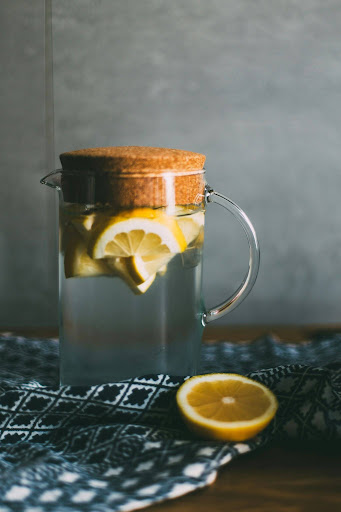
For simple at-home support during especially hot or active days, a basic electrolyte drink can be helpful:
- 2 cups water
- Juice of 1 lemon
- A pinch of sea salt
- Optional teaspoon of honey
This combination offers fluid, a small amount of sodium, and natural carbohydrates that can support absorption.
Hydration Tips for Summer Exercise
Hydration during movement is not something that follows a fixed formula; it shifts with temperature, intensity, duration, and even how rested or nourished the body is going into a workout. Because of that, the most reliable guide is often not a schedule, but the body itself.
Before exercise, it helps to begin already hydrated rather than trying to catch up mid-activity. Drinking water in the hour or two beforehand gives the body time to absorb fluids and establish a steadier baseline. On especially hot or demanding days, a small amount of sodium, such as a lightly salted snack or a pinch of salt in water, can help the body retain fluid more effectively and reduce how quickly it is lost through sweat.
During exercise, steady, moderate sipping is often more effective than large amounts taken all at once or waiting until thirst feels urgent. In longer sessions or in high heat, electrolytes can help replace what is lost through sweat and support more stable energy.
After exercise, hydration becomes part of recovery. The body continues to restore fluid and mineral balance long after movement has stopped, especially if sweating was significant. Rehydrating gradually, rather than trying to do so all at once, tends to be more effective. Pairing fluids with a real meal or snack can also make a difference, since many foods naturally provide sodium, potassium, and other minerals that help the body absorb and retain the fluids more efficiently than water alone.
Across all of these phases, thirst is only one signal among many. Fatigue that feels disproportionate to effort, lingering headaches, muscle tightness, or unusually slow recovery can all indicate that the body needs more support.
Staying well-hydrated is one of the simplest yet most foundational ways to support how the body functions, especially in seasons that demand more from it. The quality of what we drink—and the nutrients that accompany it—can meaningfully shape how we feel, move, and recover throughout the day.
At Pietra Fitness, we see wellness as something integrated rather than isolated; each daily decision affects your body, mind, and spirit including how you hydrate.